When people think about cybersecurity threats, they often picture large companies being targeted by sophisticated attackers.
In reality, small and mid-sized businesses are often easier targets.
Not because they’re more valuable—but because they’re easier to break into.
Here are some of the most common threats SMBs face today.
1. Phishing Emails
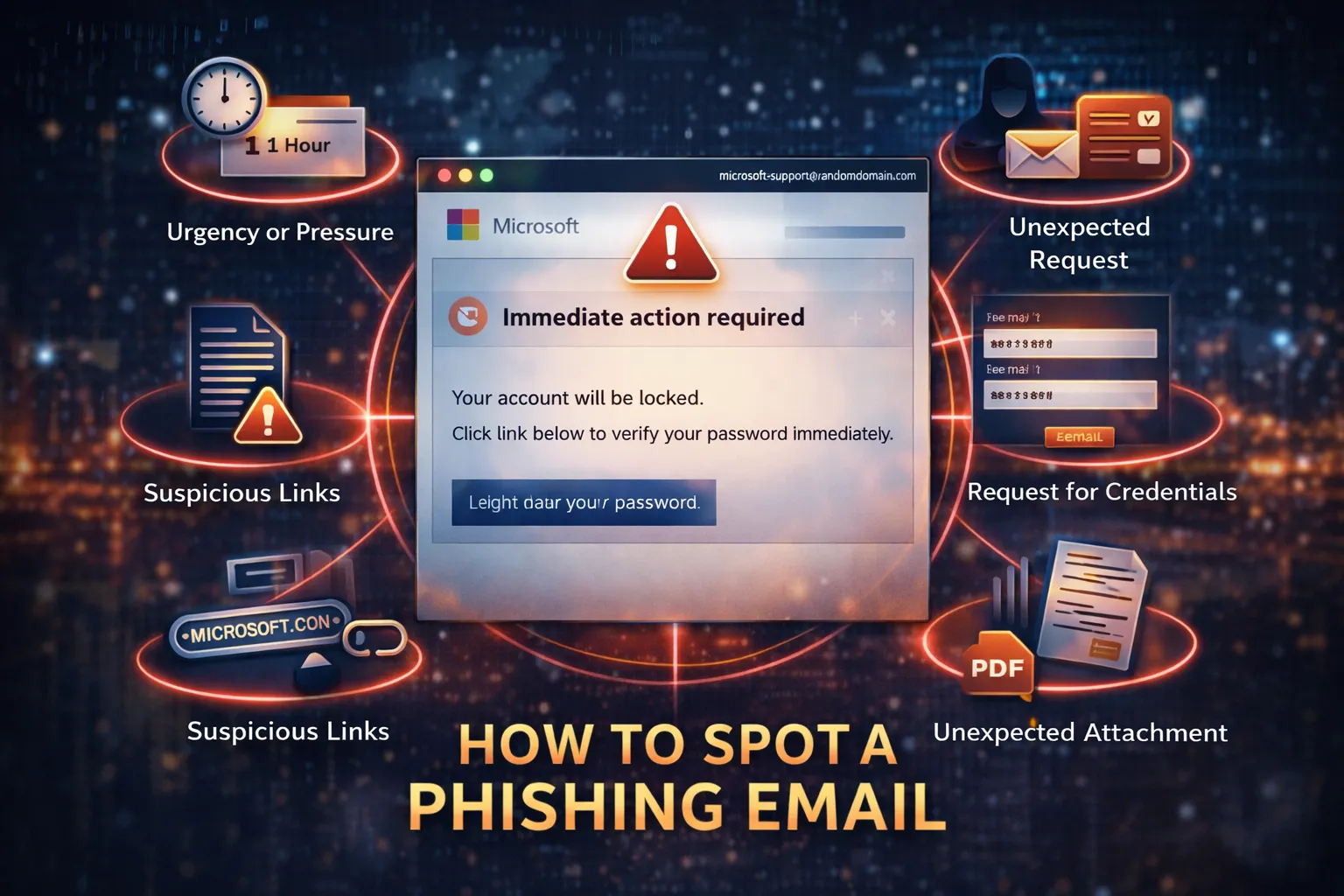
Phishing is still the most common way attackers get in.
These emails are designed to:
- trick users into clicking a link
- steal login credentials
- install malware
They often look like:
- Microsoft 365 login alerts
- invoices from vendors
- messages from executives
It only takes one click.
2. Business Email Compromise (BEC)
This is where an attacker gains access to an email account—usually through phishing.
From there, they:
- impersonate employees or executives
- request wire transfers
- change payment instructions
These attacks are highly effective because:
- they look legitimate
- they happen inside trusted conversations
3. Ransomware
Ransomware encrypts your data and demands payment to restore it.
It often starts with:
- a phishing email
- a compromised account
- or an unpatched system
The real impact isn’t just the ransom—it’s:
- downtime
- lost productivity
- potential data loss
4. Weak Passwords and No MFA
Many breaches happen because of:
- reused passwords
- simple passwords
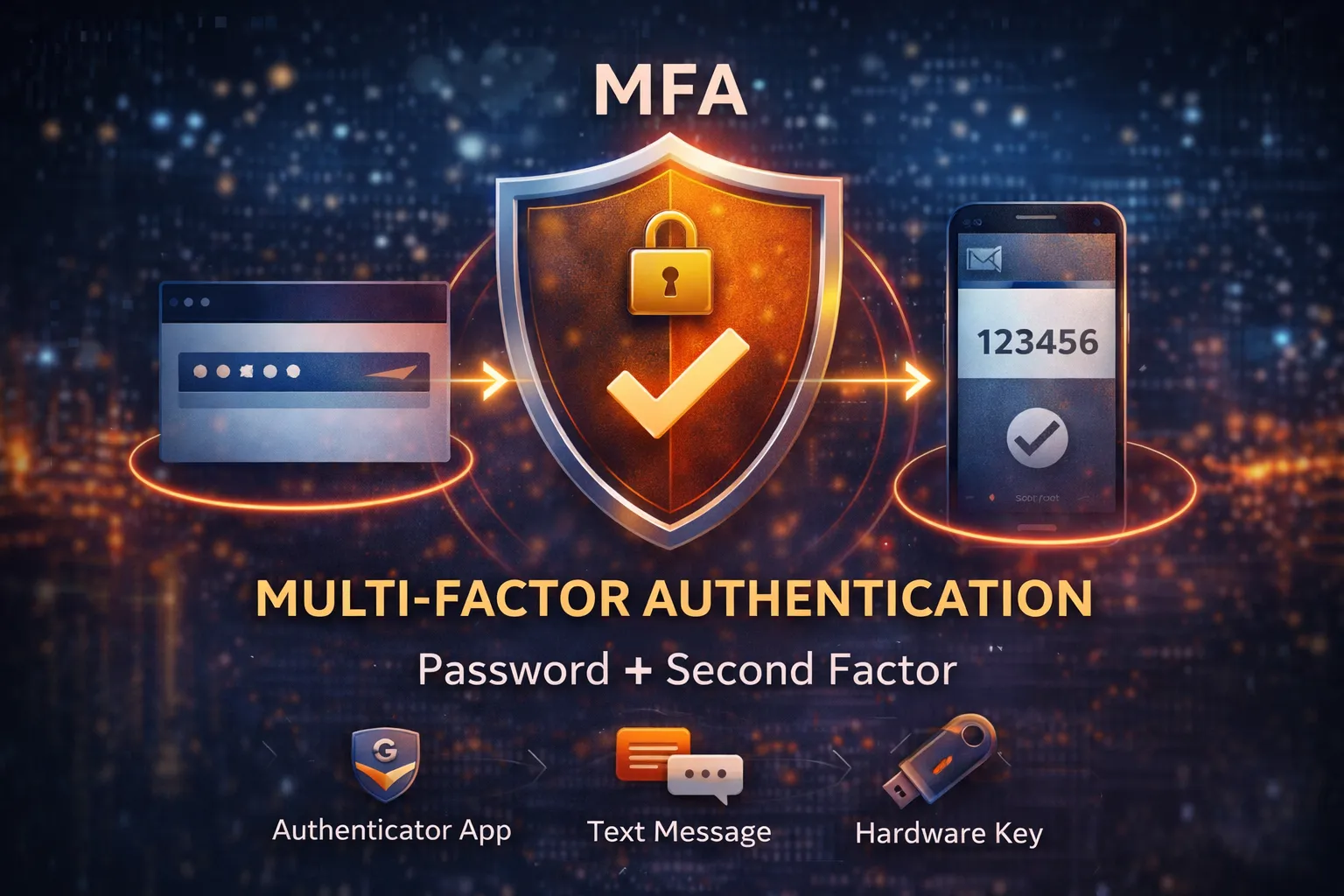
- no multi-factor authentication (MFA)
If an attacker gets valid credentials, they often don’t need to “hack” anything else.
They just log in.
5. Unpatched Systems
Software vulnerabilities are discovered all the time.
If systems aren’t updated:
- attackers can exploit known weaknesses
- access systems remotely
- move deeper into the network
Patching is one of the simplest—and most overlooked—security controls.
6. Poor Backup Practices
Backups are often assumed to be “working”… until they’re needed.
Common issues include:
- backups not running
- backups not tested
- backups accessible to ransomware
Without reliable backups, recovery becomes much harder.
7. Misconfigured Cloud Services
Tools like Microsoft 365, Google Workspace, and file-sharing platforms are powerful—but easy to misconfigure.
Common risks:
- overly broad access permissions
- public file sharing
- lack of monitoring
Cloud doesn’t mean secure by default.
The Real Risk
Most successful attacks don’t rely on advanced techniques.
They rely on:
- gaps in basic controls
- lack of visibility
- and assumptions that “someone is handling it”
The Takeaway
You don’t need to defend against everything.
But you do need to:
- understand where your risks are
- know what protections are in place
- and make sure the basics are covered
Small improvements over time can significantly reduce your risk.
Not sure where to start?
Not Sure Where You Stand?
If you’re not sure how your business would hold up against these types of threats, it’s worth taking a closer look.