Cyber insurance is becoming more common for small and mid-sized businesses.
But most business owners don’t really understand:
- what it covers
- what it doesn’t
- and what it requires from them
That can become a problem when you actually need to use it.
What Cyber Insurance Typically Covers
Most cyber insurance policies are designed to help after a security incident.
That can include:
- Incident response (forensics, investigation)
- Legal costs
- Notification requirements (if customer data is involved)
- Business interruption (lost revenue during downtime)
- Ransomware payments (in some cases)
In short:
Cyber insurance helps reduce the financial impact of an incident.
What It Usually Does NOT Cover
This is where things get misunderstood.
Cyber insurance typically does NOT cover:
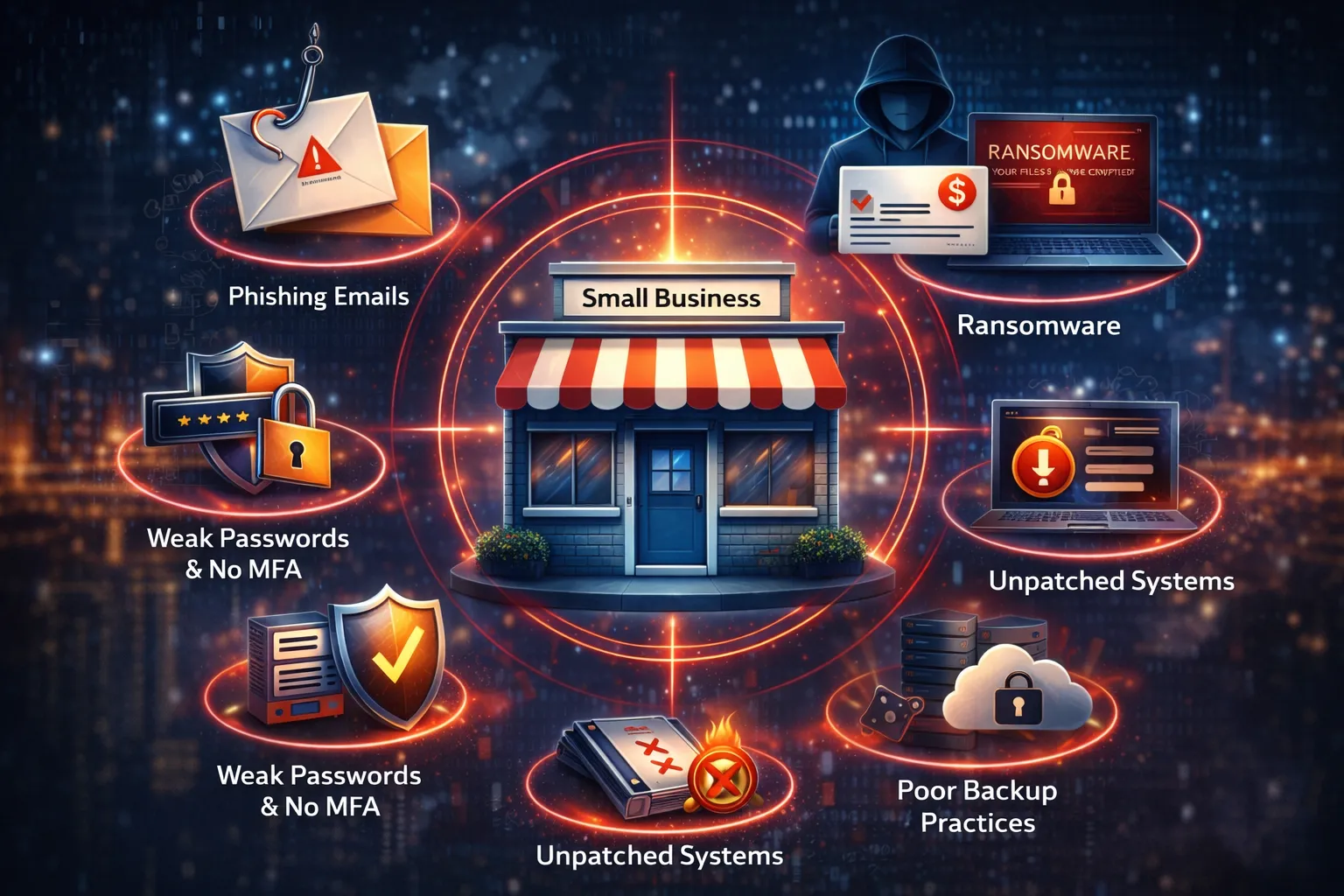
- Poor security practices
- Known vulnerabilities that were not fixed
- Misconfigured systems
- Lack of basic controls (like MFA)
If your environment is clearly insecure, the insurer may:
- deny the claim
- reduce the payout
- or challenge coverage
Why Claims Get Denied
This is the part most businesses don’t realize.
When you apply for cyber insurance, you are usually asked questions like:
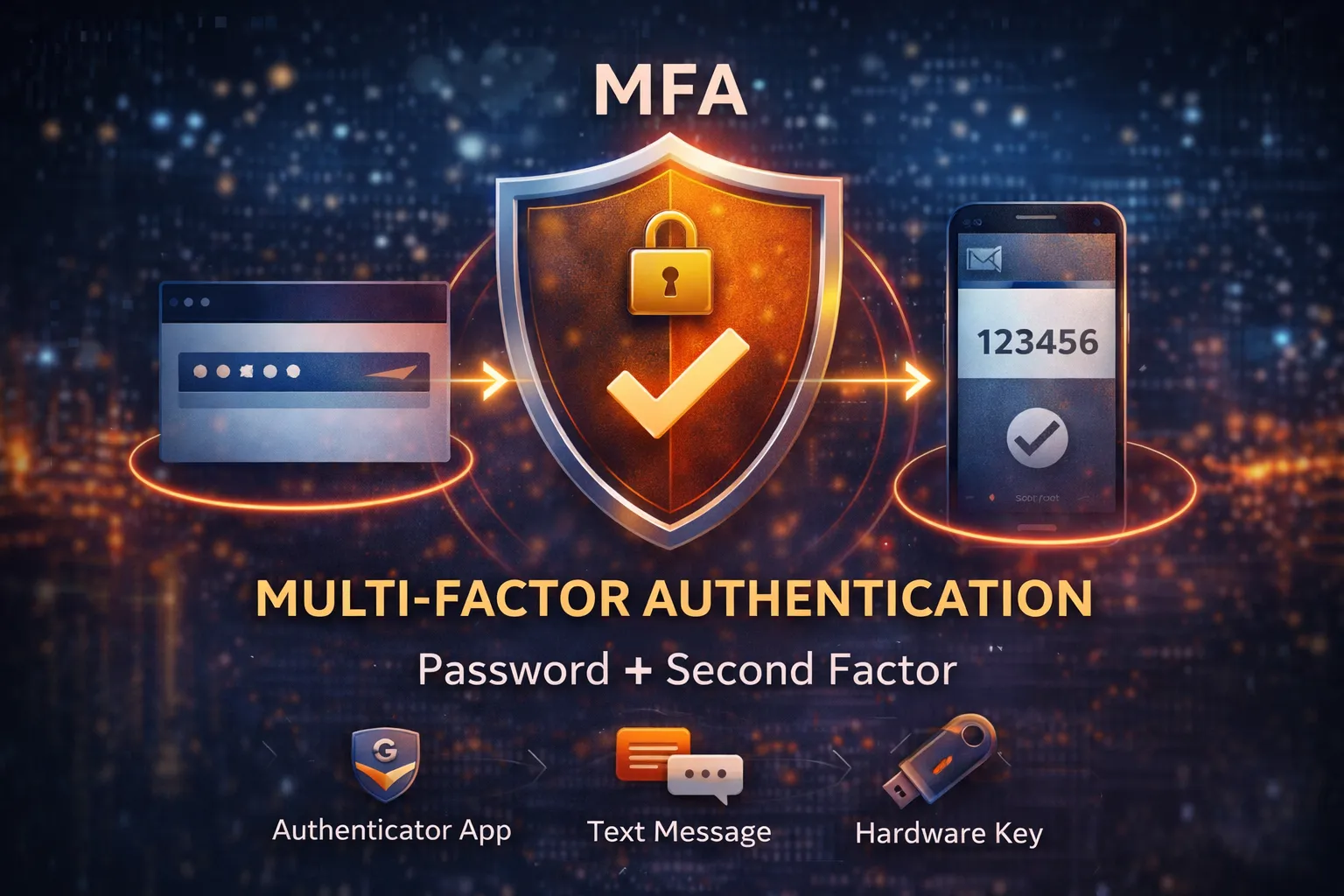
- Do you use multi-factor authentication (MFA)?
- Are systems regularly patched?
- Do you have endpoint protection?
- Do you have backups?
If those answers are inaccurate—or not maintained over time—you may have a problem later.
The policy assumes your answers are true and remain true.
What Insurance Companies Expect
Most insurers now expect a baseline level of security, including:
- MFA on email and remote access
- Endpoint protection (EDR or similar)
- Regular patching
- Secure backups (protected from ransomware)
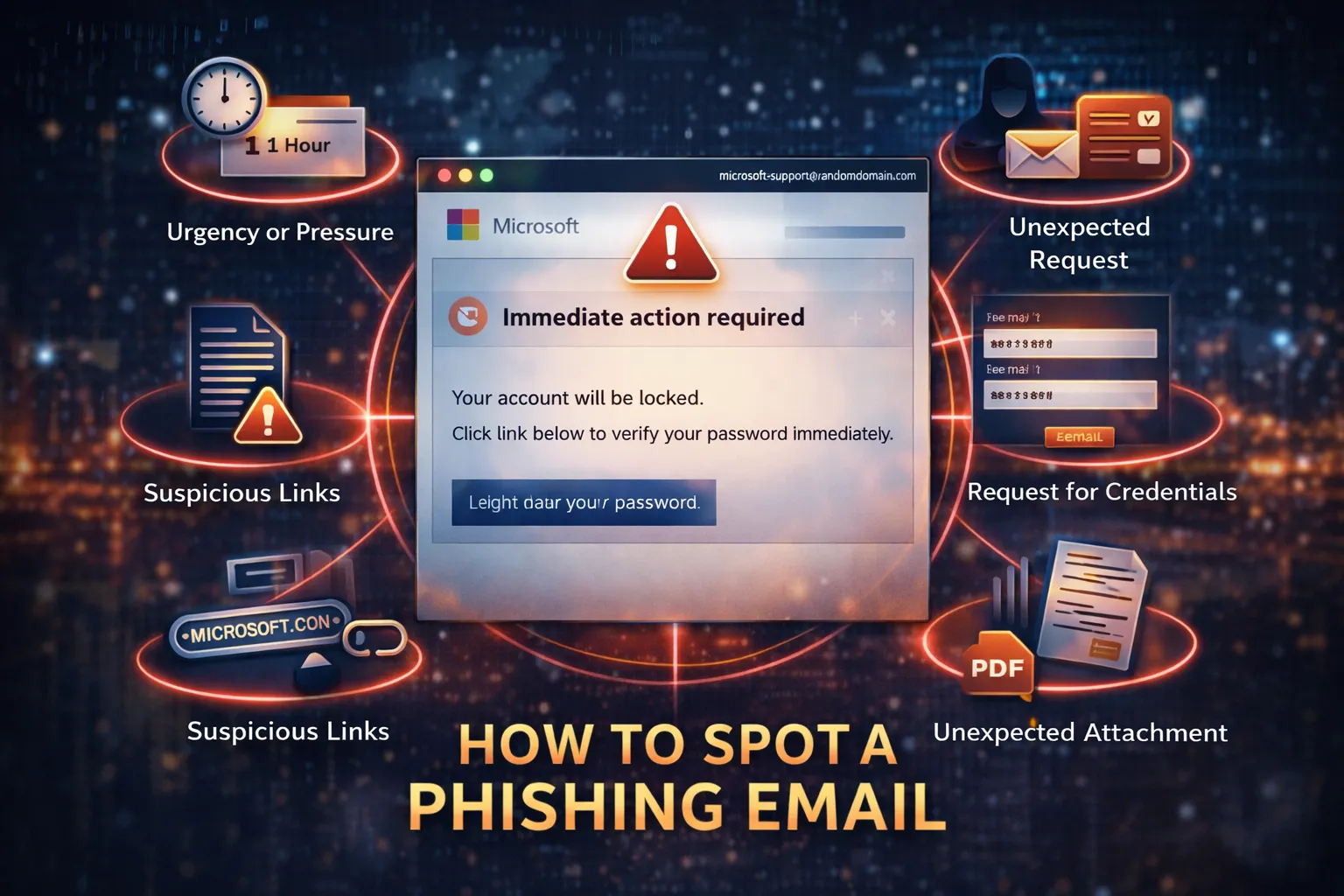
- Email security controls
This is not “advanced security”—it’s becoming the minimum.
The Biggest Misconception
Cyber insurance is not a security solution.
It does not:
- prevent attacks
- detect threats
- or respond in real time
It only helps after something goes wrong.
Insurance transfers risk—it does not reduce it.
Where Businesses Get Into Trouble
A common situation looks like this:
- The business buys cyber insurance
- Assumes they are “covered”
- Does not verify their actual security posture
- Has an incident
- Then discovers gaps during the claim process
That’s when things get complicated.
The Real Takeaway
Cyber insurance is important.
But it only works well when:
- your environment matches what you reported
- your security controls are actually in place
- and you understand what’s covered
Without that, you may be paying for something that doesn’t fully protect you.
Need a Second Look?
If you’re not sure whether your current security controls meet insurance expectations—or if your policy aligns with your actual environment—it’s worth taking a closer look.